The Forgotten Art of Racing by Feel
When data takes over, athletes lose something essential, and the fastest way back is learning to listen to your body again.
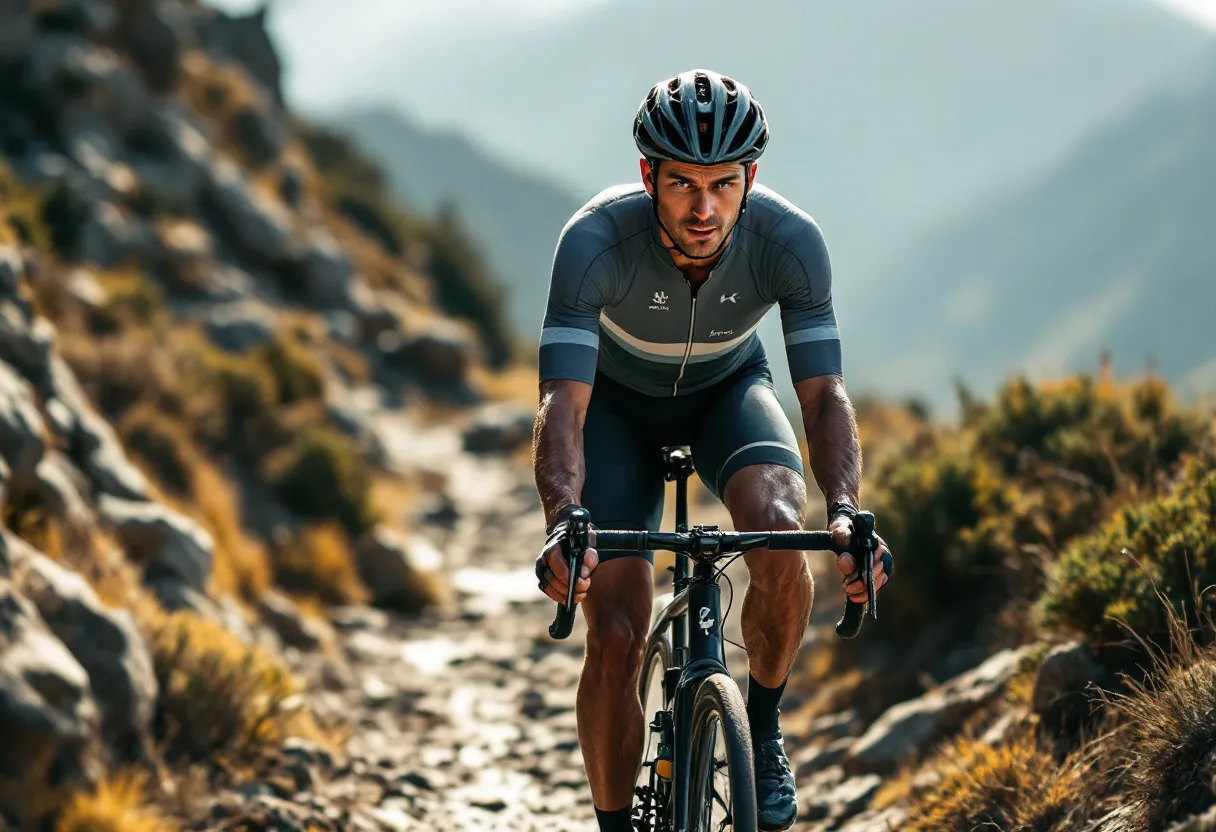
GPS watches. Power meters. Heart rate variability scores. Lactate threshold tests. The modern endurance athlete is surrounded by numbers, and many of them are genuinely useful. But something has quietly slipped away in the age of constant measurement: the ability to race intuitively, to read the moment, to push when the race demands it rather than when the data permits it.
Grizzled coaches who have watched decades of athletes race describe the same pattern: the athlete who is glued to their watch splits through the early kilometres of an ultramarathon, who slows not because their body is struggling but because their prescribed pace says slow down, often arrives at the finish line with too much left. The data kept them safe from themselves in a way that wasn't always necessary.
What Perceived Effort Actually Measures
Rating of perceived exertion, the subjective sense of how hard you are working, is not a soft, imprecise alternative to data. It is, in fact, an integrative signal that accounts for sleep quality, emotional state, heat, humidity, altitude, and accumulated fatigue in a way that no single metric from your wrist can fully capture. Your brain is synthesising thousands of physiological inputs simultaneously. When you learn to interpret that signal accurately, you gain access to something remarkably sophisticated.
Training to improve your perceived effort accuracy takes intention. Leave the watch at home for one run per week. Predict your pace before you look at a clock. Race occasionally without a watch, committing to feel and observing what your body actually does.
The Balance Point
None of this is an argument against technology. Data is clarifying, especially in training contexts where objective feedback accelerates learning. The argument is for balance, for keeping the athlete's internal experience at the centre of the process rather than allowing it to be crowded out entirely by external metrics.
The best races most athletes ever have tend to be ones where everything clicks without constant checking, where they ran the hill because it felt right, backed off on the technical descent because something felt off, and found a gear in the final kilometres that no algorithm had predicted. That is not luck. That is a skill. Start training it.
More stories

GDPR-Aware Prospecting in Europe: What Outbound Teams Must Know

Why Generic Cold Outreach Is Dead, and What Replaces It

LinkedIn Outreach Etiquette: Connecting Without the Ick
The difference between a welcome message and a spam report usually comes down to sequencing, not scripting.